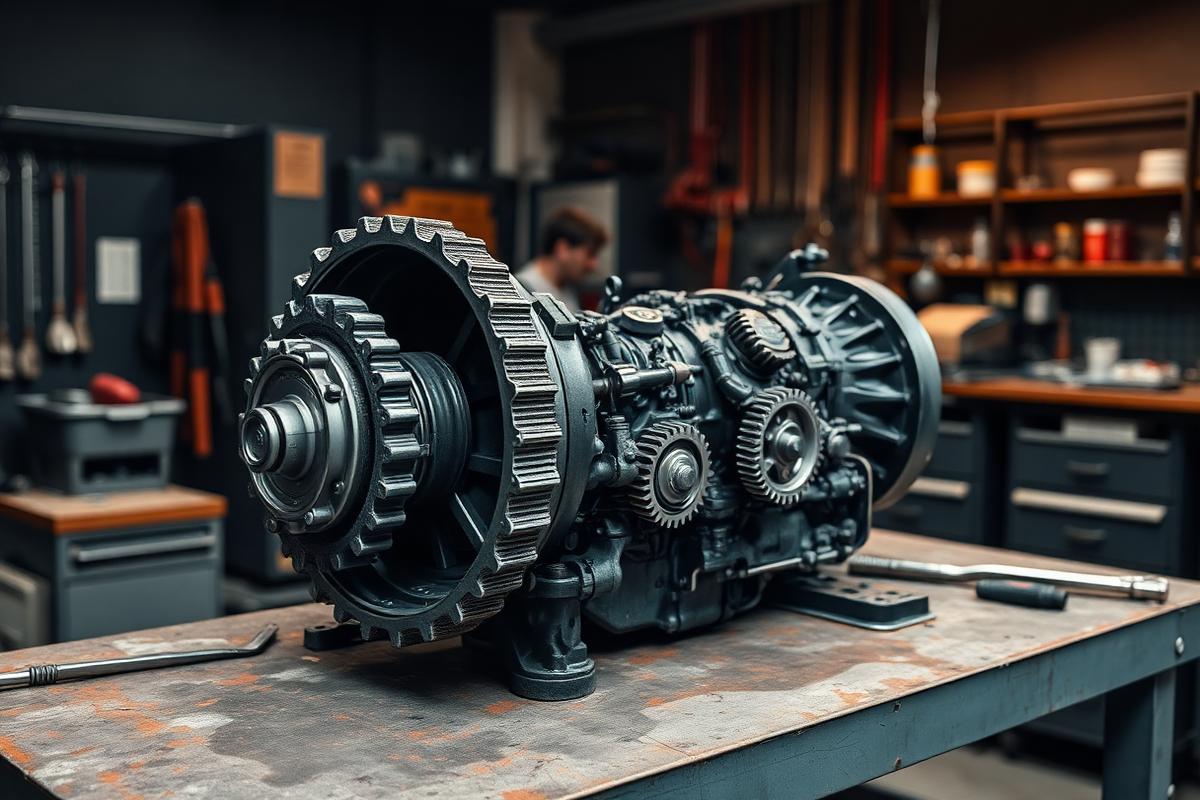
Grinding gears is one of the more universally recognised car faults — most drivers have either experienced it or heard someone else's car do it. What is less well known is that the same symptom can come from two genuinely different places: a clutch that is not fully disengaging, or a gearbox with worn internal components. They are fixed in completely different ways and at quite different cost, so telling them apart matters.
The key test: does it grind into every gear, or just one?
This single question does most of the diagnostic work before a car even reaches the workshop.
Grinds into every gear, including from neutral
If the gearbox grinds no matter which gear you select, even pulling away from a standstill in first with the clutch pedal fully pressed, the fault is very unlikely to be inside the gearbox itself. This pattern points at clutch drag — the clutch is not fully disengaging even with the pedal on the floor, so the gearbox input shaft is still spinning slightly when you try to select a gear, and the dog teeth or synchro rings grind as they try to catch up.
Grinds into one specific gear only
If every other gear selects cleanly and only one, commonly second or third on higher-mileage cars, grinds consistently, that points at a worn synchroniser for that specific gear inside the gearbox. This is a gearbox fault rather than a clutch fault.
Clutch drag: causes and fix
Clutch drag happens when the clutch plate keeps transmitting some drive even with the pedal fully depressed. Common causes include:
- Air in the hydraulic system, preventing the slave cylinder or concentric slave cylinder from pushing the release bearing far enough to fully disengage the clutch.
- A failing master or slave cylinder, losing pressure before full travel is reached. See our page on a clutch pedal that fails entirely for the more advanced version of this fault.
- A warped or damaged friction plate, which does not sit flat and so never fully clears the flywheel even at full pedal travel.
- Incorrect pedal or linkage adjustment, more common on older cable- operated clutches.
Clutch drag caused by hydraulics is often a comparatively inexpensive fix — a bleed, or a master or slave cylinder replacement. Where the cause is a warped or worn friction plate, a clutch replacement resolves it. We confirm which before recommending either, since there is no point replacing a clutch that was never the problem.
Worn synchros: causes and fix
Synchronisers are small brass or composite rings inside the gearbox that briefly match the speed of the gear being selected to the speed of the shaft, allowing the dog teeth to lock together smoothly and quietly. They wear gradually over the life of the gearbox, and wear faster with rushed gear changes, double-declutching errors, or a clutch that has been dragging for some time without being addressed — which is one reason it pays to fix clutch drag promptly rather than let it wear the gearbox around it.
Once a synchro is sufficiently worn, it can no longer match the speeds in time, and the dog teeth grind against each other as they try to engage. This tends to be specific to one gear at first, most commonly second, and can progress to needing more force or more patience to select that gear before it eventually grinds every time.
What decides repair versus replacement
- Whether the worn synchro is isolated to one gear or several are affected
- Whether metal or brass debris from the worn synchro has contaminated the gearbox oil
- The overall mileage and condition of the gearbox
- Availability of the specific internal parts for your gearbox
A single worn synchro caught early can sometimes be replaced in isolation. Where wear has spread, or the gearbox is old enough that other synchros are close behind, a replacement gearbox is usually the more reliable route. Our approach and reasoning is covered in more detail on our gearbox repair and replacement page.
Is it safe to drive?
Occasional grinding into one avoidable gear is not an immediate emergency, but forcing a gear that is grinding accelerates the wear on the synchro and the gear teeth around it, turning a contained fault into a wider one. Clutch drag should be looked at sooner, since it tends to worsen and can eventually make selecting any gear difficult.
Covering Manchester and the surrounding areas
We diagnose grinding gear changes for drivers across Manchester, Salford, Oldham, Stockport, Trafford, Tameside, Rochdale, Bury, Bolton and the wider North West, working out whether the cause sits in the clutch or the gearbox before recommending any repair. If your car is showing wider clutch symptoms alongside the grinding, our clutch slipping and symptoms guide is worth reading too. Get in touch and describe when it grinds and we will advise on next steps.